
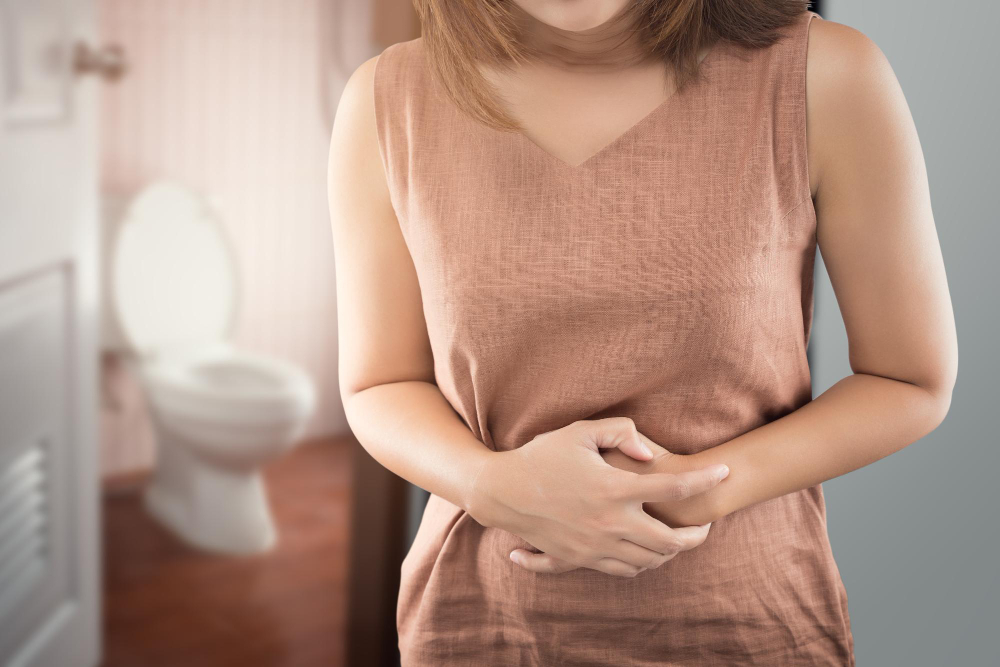
Diarrhea is a common problem that causes loose or watery stools. It can make you feel weak and uncomfortable. Learning how to prevent diarrhea is important for your health. With the right steps, you can avoid diarrhea and protect yourself from stomach infections. This guide shares easy diarrhea prevention tips and medical advice for everyone.
What is Diarrhea?
Diarrhea means having frequent, loose, or watery bowel movements. Sometimes, it lasts only a few days. Other times, it can last longer and cause more problems. Because diarrhea can lead to dehydration, it is important to prevent it when possible. Children and older adults are at higher risk of getting sick from diarrhea.
Common Causes of Diarrhea
Many things can cause diarrhea. Understanding these causes helps in avoiding diarrhea. Here are some common reasons:
Key Prevention Tips
Preventing diarrhea is possible with simple steps. Below are easy diarrhea prevention tips you can follow every day:
When to Seek Medical Help
Most cases of diarrhea go away on their own. However, you should see a doctor if:
Early medical care can prevent serious problems.
Lifestyle and Hygiene Guidance
Good habits help in preventing stomach infections and diarrhea. For example, always use clean water for drinking and cooking. In addition, teach children to wash their hands often. If you travel, be extra careful with food and water. Moreover, keep your home and bathroom clean. These steps lower your risk of getting sick.
Frequently Asked Questions (FAQ)
Can I prevent diarrhea while traveling?
Yes, you can. Drink bottled or boiled water, avoid raw foods, and eat only at clean places. These steps help in avoiding diarrhea during trips.
Is handwashing really important?
Absolutely. Handwashing removes germs that cause diarrhea. Always wash hands before eating and after using the toilet.
What foods should I avoid?
Stay away from raw or undercooked meat, unwashed fruits, and street food. These foods may carry germs.
Can children get diarrhea easily?
Yes, children are more likely to get diarrhea. Teach them good hygiene and give them safe food and water.
Conclusion
In summary, knowing how to prevent diarrhea keeps you and your family healthy. Simple steps like handwashing, safe food, and clean water make a big difference. If you have concerns or ongoing symptoms, consult a general physician for personalized advice on diarrhea prevention.
Sources: Centers for Disease Control and Prevention (CDC), World Health Organization (WHO)