
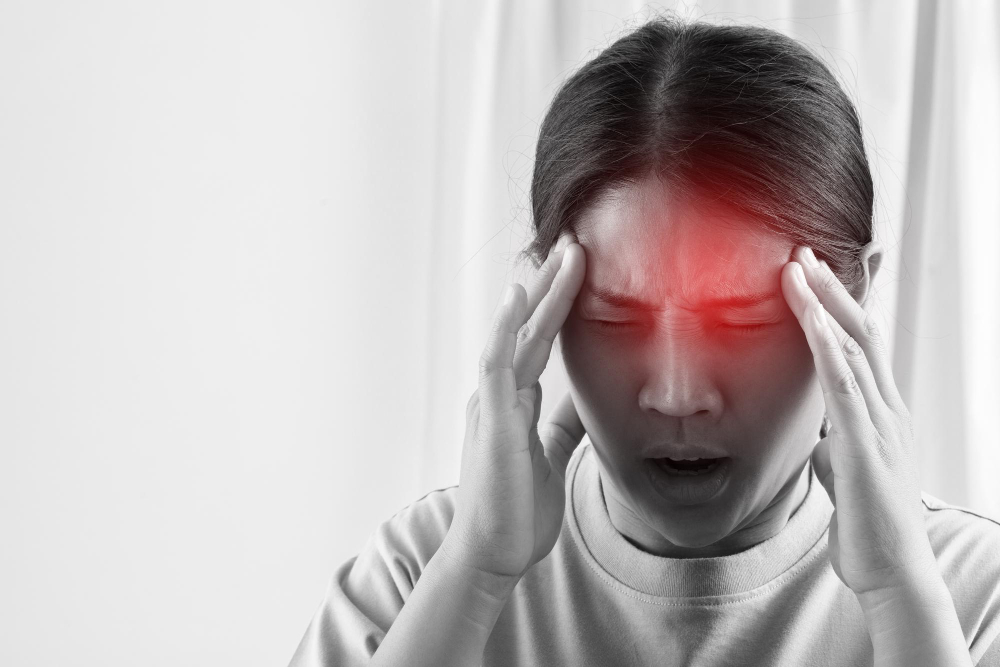
Migraines can disrupt your daily life. However, you can take steps to prevent migraine attacks. This guide shares migraine prevention tips, explains common triggers, and offers advice on how to avoid migraine attacks. By learning about lifestyle changes for migraine, you can reduce migraine frequency and improve your well-being.
What is a Migraine?
A migraine is a type of headache. It often causes throbbing pain on one side of the head. Sometimes, it comes with other symptoms, such as nausea or sensitivity to light. Migraines are more than just headaches. In fact, they can last for hours or even days. According to the World Health Organization (WHO), migraines are a common health problem worldwide.
Common Symptoms of Migraine
Not everyone experiences migraines the same way. Still, some symptoms are common. Knowing these signs can help you spot a migraine early. For example, you may notice:
Sometimes, people notice warning signs before a migraine starts. These are called “auras.” They may include changes in vision or tingling in the face or hands.
Major Causes and Triggers
Many things can trigger a migraine. However, triggers are different for each person. It helps to know your own triggers. Here are some common causes and triggers:
For people living in hot or humid areas, staying cool and hydrated is important. In colder regions, sudden changes in weather may also trigger migraines.
Diagnosis: How Migraines Are Identified
Doctors diagnose migraines by asking about your symptoms and medical history. They may also do a physical exam. Sometimes, tests like brain scans are needed to rule out other problems. However, most migraines are diagnosed based on your symptoms alone. If you have frequent or severe headaches, it is best to see a doctor for proper diagnosis.
Top Tips to Prevent Migraine Attacks
Preventing migraines is possible with the right steps. Here are some migraine prevention tips you can try:
By following these steps, you can reduce migraine frequency and improve your quality of life.
Lifestyle Changes and Home Remedies
Simple changes at home can help prevent migraines. For example, you can:
In addition, talk to your doctor about vitamins or supplements. Some people find relief with magnesium or vitamin B2, but always check with a healthcare professional first.
When to See a Doctor
Sometimes, migraines need medical attention. You should see a doctor if:
Early treatment can help prevent migraines from getting worse. Your doctor may suggest medicines or other therapies to help you avoid migraine attacks.
In summary, you can take steps to prevent migraine attacks by making simple lifestyle changes. However, always consult a healthcare professional for personalized migraine prevention advice.