
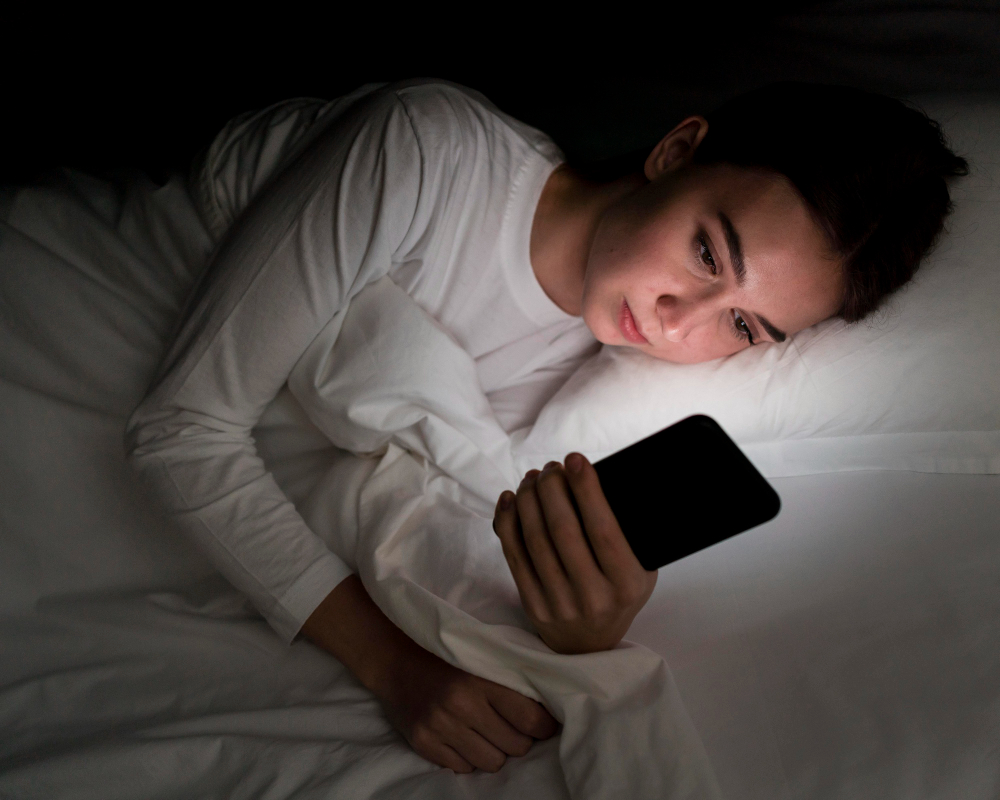
Many people wonder how screen time and sleep are connected. In today’s world, screens are everywhere. Phones, tablets, and TVs are part of daily life. However, too much screen time can harm your sleep. This blog explains the effects of screen time on sleep and offers tips to help you rest better.
What Is Screen Time?
Screen time means the amount of time you spend using devices with screens. For example, this includes:
Today, many people use screens for work, school, and fun. But, it is important to know how this can affect your health.
How Screen Time Affects Sleep
Screen time can change how well you sleep. For instance, using screens before bed can make it harder to fall asleep. The light from screens can trick your brain into thinking it is still daytime. As a result, your body may not feel ready for sleep. Studies from the CDC show that too much screen time can lead to poor sleep quality.
Common Symptoms of Poor Sleep Linked to Screen Use
When you use screens too much, you may notice signs of poor sleep. These symptoms can include:
Over time, these problems can affect your health and daily life.
Causes: Why Does Screen Time Disrupt Sleep?
There are several reasons why screen time disrupts sleep. First, screens give off blue light. This light can block the release of melatonin, a hormone that helps you sleep. Second, exciting games or shows can make your mind active. Because of this, it becomes harder to relax. Third, checking messages or social media can cause stress or worry. All these factors can delay sleep and reduce its quality.
Evidence-Based Tips to Reduce Screen Time Before Bed
Reducing screen time before bed can help you sleep better. Here are some tips based on research from the CDC and sleep experts:
Even small changes can make a big difference in your sleep quality.
Healthy Sleep Habits for Better Rest
Besides reducing screen time, healthy sleep habits can improve your rest. For example, you can:
These habits support better sleep and overall well-being.
Prevention: How to Balance Screen Use and Sleep
Finding a balance between screen use and sleep is important. You do not have to stop using screens completely. Instead, try these steps:
With these changes, you can enjoy screens while still getting good sleep.
In summary, screen time and sleep are closely linked. Too much screen use can harm your rest. However, you can improve your sleep by making small changes. If you struggle with sleep, consult a healthcare professional for personalized advice.