
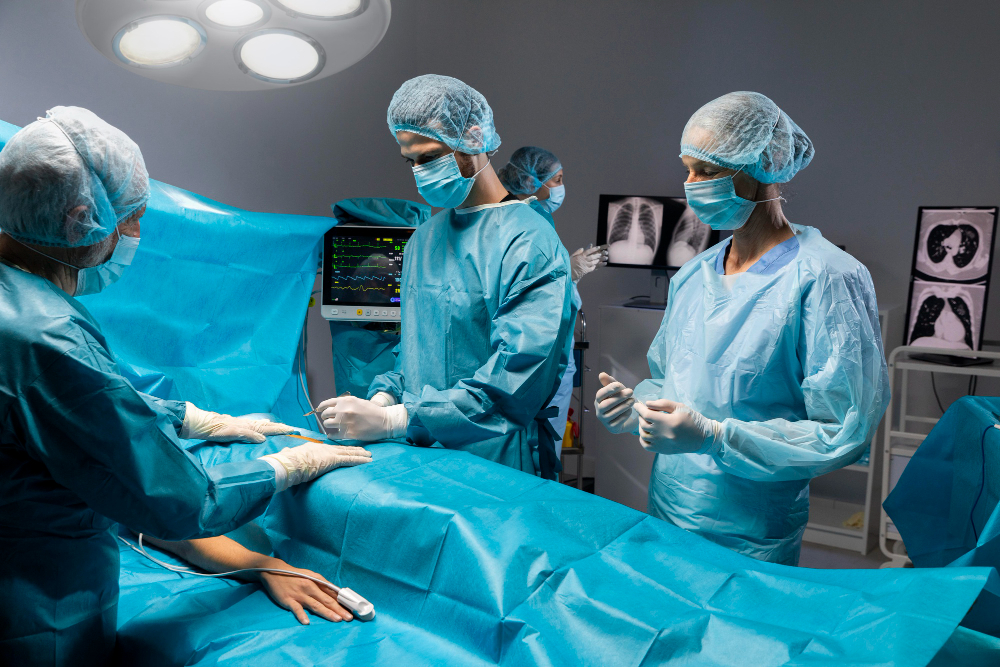
What is Laparoscopic Fundoplication?
Laparoscopic Fundoplication is a minimally invasive surgery for acid reflux. Doctors use this procedure to treat gastroesophageal reflux disease (GERD). GERD happens when stomach acid flows back into the food pipe. This can cause heartburn and other symptoms. During this surgery, doctors wrap the top part of the stomach around the lower end of the food pipe. As a result, this helps stop acid from moving up. Many people choose this option when medicines do not work well.
Indications and Who Needs the Procedure
Not everyone with acid reflux needs surgery. However, some people benefit from Laparoscopic Fundoplication. Doctors may suggest this surgery if:
For example, if you have trouble swallowing or breathing because of reflux, surgery may help. Always talk to your doctor to see if you are a good candidate.
How the Procedure is Performed
Laparoscopic Fundoplication is a type of minimally invasive surgery. First, the doctor makes a few small cuts in your belly. Then, a thin tube with a camera goes inside. This helps the surgeon see your stomach and food pipe. Next, the surgeon wraps the top of your stomach around the lower part of your food pipe. This tightens the valve and stops acid from moving up. The whole surgery usually takes two to three hours. Most people go home within one or two days.
Benefits of Laparoscopic Fundoplication
This surgery offers many advantages over open surgery. Some key benefits include:
Because it is minimally invasive, recovery is often quicker. Many people notice relief from heartburn soon after surgery.
Risks and Possible Complications
Like all surgeries, Laparoscopic Fundoplication has some risks. However, most people recover without problems. Possible risks include:
Although these risks are rare, it is important to discuss them with your doctor. The World Health Organization and CDC recommend choosing experienced surgeons to lower risks.
Recovery and Aftercare Tips
After surgery, recovery is usually smooth. Still, you should follow your doctor’s advice for the best results. Here are some helpful fundoplication recovery tips:
Most people return to work or school within two weeks. However, full recovery may take a few months. Always keep your follow-up visits with your doctor.
Prevention and Lifestyle Guidance
Even after surgery, healthy habits help prevent reflux from coming back. For example, you can:
Because lifestyle changes support long-term results, doctors often recommend them along with surgery. The CDC and medical experts agree that healthy habits lower the risk of reflux and other problems.
Conclusion
Laparoscopic Fundoplication is a safe and effective GERD surgical treatment for many people. It offers quick recovery and lasting relief from acid reflux. However, every patient is different. Consult a healthcare professional to discuss if Laparoscopic Fundoplication is right for you.