
What is Hypertension?
Hypertension, also called high blood pressure, is a common health problem. It happens when the force of blood against your artery walls stays high for a long time. Over time, this can damage your heart and blood vessels. In fact, the World Health Organization says that hypertension affects over one billion people worldwide. Because it often has no clear signs, many people do not know they have it. Early detection is important for good health.
Common Symptoms of Hypertension
Most people with hypertension do not notice any symptoms. However, some may feel:
Even so, these signs can be caused by other problems. Therefore, regular blood pressure checks are important. Sometimes, people only find out they have high blood pressure during a routine visit to the doctor.
Causes and Risk Factors
Many things can lead to hypertension. Some causes are not in your control, but others are. For example, risk factors include:
Because these factors add up, making healthy choices can help lower your risk. In the US and around the world, lifestyle changes have helped many people manage their blood pressure.
How Hypertension is Diagnosed
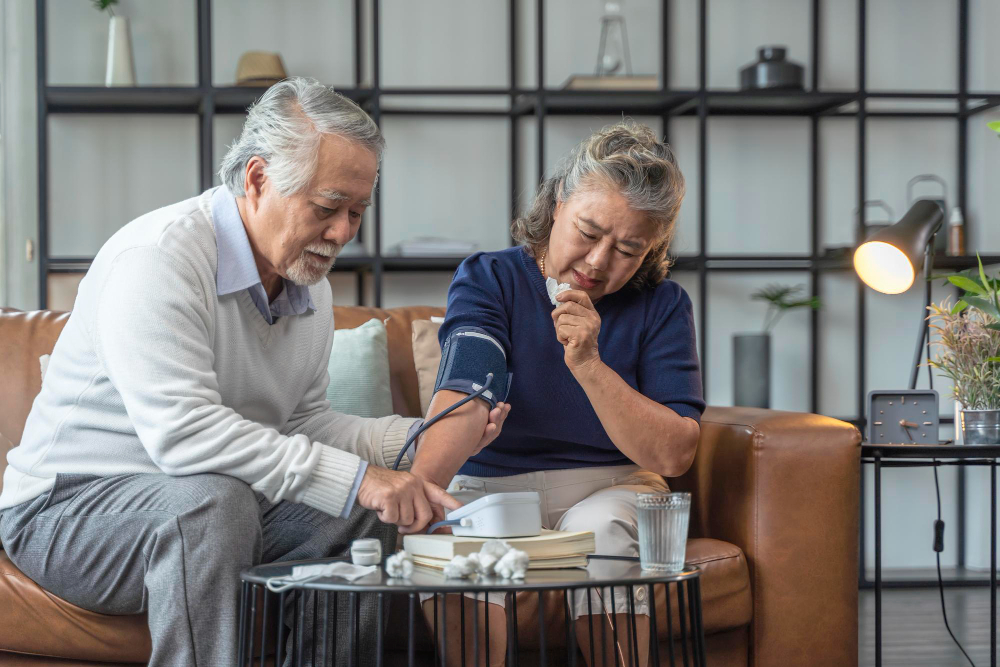
Doctors diagnose hypertension by measuring your blood pressure. Usually, they use a cuff on your arm. If your reading is 130/80 mmHg or higher on several visits, you may have hypertension. Sometimes, doctors ask you to check your blood pressure at home. This helps them see if it stays high over time. In some cases, they may order blood or urine tests to check for other health problems.
Treatment Options for Hypertension
Treating hypertension often starts with lifestyle changes. However, some people also need medicine. Common treatment options include:
Doctors may choose one or more medicines based on your needs. Because each person is different, your doctor will help find the best plan for you.
Lifestyle Tips for Managing Hypertension
There are many ways to manage hypertension at home. For example, you can:
In addition, try to get enough sleep each night. These simple steps can help lower blood pressure naturally and improve your health.
Preventing Hypertension
Although some risk factors cannot be changed, you can still lower your chances of getting hypertension. To prevent high blood pressure:
Because prevention is easier than treatment, start healthy habits early. Even small changes can make a big difference over time.
When to See a Doctor
If you have high blood pressure readings or notice symptoms like severe headaches, chest pain, or trouble breathing, see a doctor right away. Also, if you have a family history of hypertension, regular check-ups are important. Early care can help prevent serious problems like heart disease or stroke.
For personalized advice on managing hypertension, consult a healthcare professional. Your doctor can help you create a plan that fits your needs and keeps you healthy.